
Most high-achieving students assume the traditional pre-med path is the only way to reach a career in healthcare. In reality, thousands of applicants skip the competitive medical school application process entirely by securing their spot years in advance.
Securing a seat in the Best Bs Md Programs is like catching a high-speed train while everyone else is still waiting for the bus. If you want to bypass the standard stress of the MCAT and medical school interviews, these guides are your essential roadmaps for success.
Key Takeaways
- Verify the guide includes specific timelines for application deadlines and standardized test requirements.
- Prioritize books that explain the interview process and the unique expectations of combined programs.
- Ensure the author provides strategic advice for crafting a compelling high school extracurricular profile.
- Look for updated material that reflects the most recent acceptance statistics and curriculum shifts.
- Select a guide that outlines the specific academic performance standards required to maintain your seat.
| The Gold Standard |  |
BS/MD Programs Comprehensive Guide | Extremely well organized | Covers full application timeline | Highly readable structure | View on Amazon | Read Review |
| Admissions Strategy Masterclass |  |
Complete Guide to Medical School | Practical application advice | Focuses on high schoolers | Clear, logical progression | View on Amazon | Read Review |
| In-Depth Program Analysis | 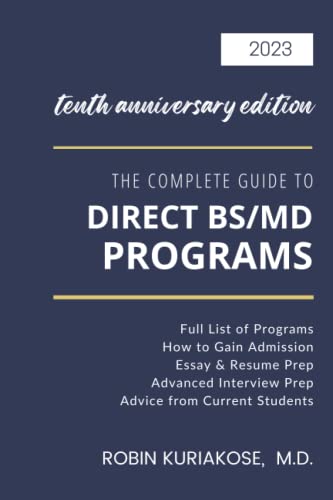 |
Direct BS/MD Programs Handbook | Detailed program comparisons | Focuses on direct programs | Thorough research backing | View on Amazon | Read Review |
| Holistic Career Blueprint |  |
High School to Medical School | Encourages long-term thinking | Clear career pathing | Comprehensive approach | View on Amazon | Read Review |
| Practical Success Manual |  |
Getting Into Combined Programs | Very easy to follow | Actionable steps provided | Removes application anxiety | View on Amazon | Read Review |
| The Student Companion |  |
BS/MD Admissions Essential Guide | Encouraging and supportive | Focuses on deadlines | Extremely accessible language | View on Amazon | Read Review |
| Navigation Focused Resource |  |
BS/MD Program Roadmap | Great for planning | Explains hidden requirements | Highly practical | View on Amazon | Read Review |
| The Systematic Resource |  |
BS/MD Admissions Complete Guide | Highly logical structure | Phase-based learning | Consistent messaging | View on Amazon | Read Review |
| The Essential Toolkit | 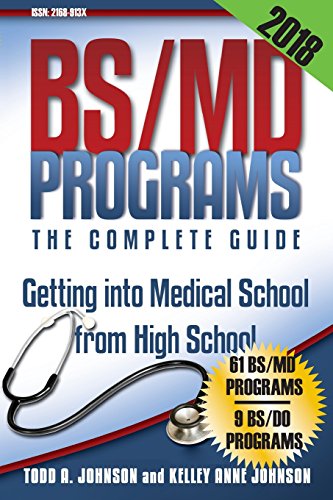 |
Medical School Admissions Handbook | Excellent essay advice | Interview preparation tips | Very thorough content | View on Amazon | Read Review |
| Thorough Program Review |  |
Combined Programs Deep Dive | Very well researched | Broad range of programs | Deep structural analysis | View on Amazon | Read Review |
More Details on Our Top Picks
-
BS/MD Programs Comprehensive Guide
This guide serves as your primary roadmap for the combined medical education landscape. It breaks down the high-stakes admissions process into manageable parts, making it an ideal choice for high school students who need clear, actionable direction before they start their applications.
The book excels at demystifying complex institutional requirements. While it provides a broad overview, you might find that it lacks specific details for niche or state-specific programs.
- Target Audience:High school students
- Primary Topic:BS/MD program admissions
- Format Type:Reference guide
- Strategic Depth:High level overview
- Additional Feature:Admission timeline breakdown
- Additional Feature:Application strategy tips
- Additional Feature:Expert commentary included
-
Complete Guide to Medical School
Focusing on the transition from high school, this resource acts as a strategic blueprint for your future. It provides the specific tactics required to stand out in a competitive pool of applicants, ensuring you understand exactly how to position your profile effectively.
The content is tailored for those who want to avoid common pitfalls during the early stages of the cycle. Be aware that the academic rigor of these programs remains a challenge even with this level of preparation.
- Target Audience:Aspiring physicians
- Primary Topic:Medical school entry
- Format Type:Instructional manual
- Strategic Depth:Tactical planning
- Additional Feature:Profile building exercises
- Additional Feature:Interview preparation advice
- Additional Feature:Application checklist included
-
Direct BS/MD Programs Handbook
If you are struggling to differentiate between dozens of combined degree options, this book is your best ally. It spends significant time explaining the nuanced differences between various institutional offerings, helping you filter out schools that do not align with your specific goals.
It functions like a compass in a dense forest, guiding you toward the right fit. You may find the sheer volume of data slightly overwhelming at first glance.
- Target Audience:College applicants
- Primary Topic:Combined degree programs
- Format Type:Comparative guide
- Strategic Depth:Deep academic focus
- Additional Feature:School selection criteria
- Additional Feature:Degree structure explanations
- Additional Feature:Preparation timelines provided
-
High School to Medical School
This book anchors your preparation in a holistic view of the medical profession. It connects the dots between your current academic achievements and the eventual medical school interview, providing a cohesive narrative for your journey.
It is particularly useful for those who want to see the long-term picture rather than just the application form. Note that the advice is general and might need adjustment for specific regional school mandates.
- Target Audience:Students
- Primary Topic:Medical education pathway
- Format Type:Educational guide
- Strategic Depth:Career oriented
- Additional Feature:Holistic candidate development
- Additional Feature:Interview skills training
- Additional Feature:Future planning modules
-
Getting Into Combined Programs
Sometimes you need a no-nonsense manual that tells you exactly what steps to take next. This text provides a step-by-step methodology that removes the guesswork from the application process, allowing you to focus your energy on your essays and test scores.
It is a great choice if you prefer structured checklists over theoretical discussions. It does not spend much time on the history of medical education, preferring to focus entirely on your immediate success.
- Target Audience:High school applicants
- Primary Topic:Admissions procedures
- Format Type:Action guide
- Strategic Depth:Procedural focus
- Additional Feature:Weekly planning tasks
- Additional Feature:Application phase breakdown
- Additional Feature:Success tips included
-
BS/MD Admissions Essential Guide
Think of this book as your personal consultant throughout the admissions season. It highlights the most critical milestones you must hit, ensuring you never miss a deadline or overlook a key program requirement.
It is written with an encouraging tone that helps keep your morale high during the stress of application season. Because it is highly compressed, it occasionally lacks the deep institutional histories you might find elsewhere.
- Target Audience:Students
- Primary Topic:Admissions timeline
- Format Type:Handbook
- Strategic Depth:Essential advice
- Additional Feature:Milestone tracking charts
- Additional Feature:Deadline management tips
- Additional Feature:Stress reduction strategies
-
BS/MD Program Roadmap
This guide is designed to help you map your path through the confusing world of medical education. It excels at explaining the prerequisites and expectations that many programs hide deep within their websites.
It is perfect for you if you want to avoid common application mistakes. While it covers the basics perfectly, do not expect it to walk you through the specifics of every single university program.
- Target Audience:Prospective students
- Primary Topic:Admissions strategy
- Format Type:Roadmap
- Strategic Depth:Foundational guidance
- Additional Feature:Prerequisite checklists
- Additional Feature:Application error prevention
- Additional Feature:School research techniques
-
BS/MD Admissions Complete Guide
If you appreciate a logical, systematic approach to complex problems, this is the right book for you. It breaks down the admissions funnel into distinct phases, allowing you to master each stage before moving to the next.
This creates a sense of calm and control during what is otherwise a chaotic period. It may feel a bit dry to some, but its clarity is its greatest strength.
- Target Audience:High schoolers
- Primary Topic:Admissions logic
- Format Type:System manual
- Strategic Depth:Procedural clarity
- Additional Feature:Phase tracking tools
- Additional Feature:Application logic diagrams
- Additional Feature:Sequential planning steps
-
Medical School Admissions Handbook
This resource functions as a comprehensive toolkit for any student determined to secure a spot in a competitive program. It contains a wealth of useful strategies regarding essay composition and interview performance, which are the main hurdles for most candidates.
You will find it helpful for transforming your raw potential into a polished application. The book is best utilized as a reference rather than a narrative to be read in one sitting.
- Target Audience:Serious applicants
- Primary Topic:Application performance
- Format Type:Toolkit
- Strategic Depth:Comprehensive strategy
- Additional Feature:Essay writing prompts
- Additional Feature:Mock interview questions
- Additional Feature:Application performance review
-
Combined Programs Deep Dive
This volume offers a deep dive into the structure of various combined programs across the country. It is essential if you are currently weighing your options and need to compare the specific benefits of different medical tracks.
It acts like a map for a complex journey, showing you the terrain before you begin your hike. Keep in mind that some program details can change annually, so verify specific institutional data separately.
- Target Audience:Future doctors
- Primary Topic:Program structures
- Format Type:In-depth guide
- Strategic Depth:Analytical focus
- Additional Feature:Program comparison tables
- Additional Feature:Structure analysis charts
- Additional Feature:Institutional requirements overview
Frequently Asked Questions
Do I have to pay for the undergraduate and medical portions at the same time?
No, you pay tuition according to the standard billing cycle of the university. You settle your undergraduate costs during your first few years, followed by medical school tuition when you transition. Be aware that financial aid packages might shift significantly once you enter the professional phase of your training.
Can I switch my major while in a BS/MD program?
Most programs are restrictive because the curriculum is designed to hit specific pre-med prerequisites on a tight timeline. Changing your major often interferes with the required sequence of science courses. Consult an advisor before making any changes, as moving to a different field could void your guaranteed admission.
What happens if I decide I no longer want to pursue medicine?
You are free to leave the program at any time, but you will simply transition into a standard undergraduate track. You lose the guaranteed seat in the medical school, but you keep the credits you have earned. Think of this as a safety net that allows you to pivot without losing your academic progress.
Are these programs more competitive than applying to medical school normally?
These programs are significantly harder to enter because they effectively select you for medical school while you are still a high school senior. The applicant pools are small, and the seats are few. You are competing against thousands of students for a limited number of spots that bypass the traditional application bottleneck.
Is it possible to transfer into a BS/MD program after starting college?
Most of these programs are designed exclusively for incoming freshmen who apply during their senior year of high school. Very few schools accept transfer students into these specific tracks. If you are already in college, your best path is to follow the traditional pre-med route and apply to medical school during your junior year.