


The difference between a disappointing manual and the Best Indian Cookbooks comes down to the clarity of the spice profiles. You want recipes that explain not just what to add, but how to treat those volatile oils in a hot pan.
Finding the right book feels like discovering a secret family archive. Some favor restaurant-style decadence, while others focus on the quiet comfort of daily home meals. Let's see which one fits your pantry best.
Key Takeaways
- Prioritize books that explain the specific sequence for adding whole versus ground spices.
- Look for authors who provide reliable ingredient substitutions for hard to find items.
- Consider whether you prefer regional specialties or a general survey of the entire country.
- Check if the book focuses on professional restaurant techniques or approachable home kitchen methods.
- Assess the complexity of the recipe list to ensure it matches your current comfort level with high heat cooking.
| Best Plant-Based Guide |  |
Vegetarian India: Meera Sodha | Focuses on fresh vegetables | Highly accessible instructions | Beautifully written narratives | View on Amazon | Read Review |
| Authentic Cafe Vibes |  |
Dishoom: Iconic Restaurant Recipes | Iconic restaurant recipes | Atmospheric writing style | Exceptional breakfast section | View on Amazon | Read Review |
| Comprehensive Culinary Masterclass |  |
Indian Cookery Course: Monisha Bharadwaj | Excellent technical explanations | Covers diverse regional styles | Logical progression of skills | View on Amazon | Read Review |
| Timeless Culinary Classic |  |
An Invitation to Indian Cooking | Extremely reliable recipes | Deeply authentic flavors | Classic instructional style | View on Amazon | Read Review |
| Simple Family Kitchen | 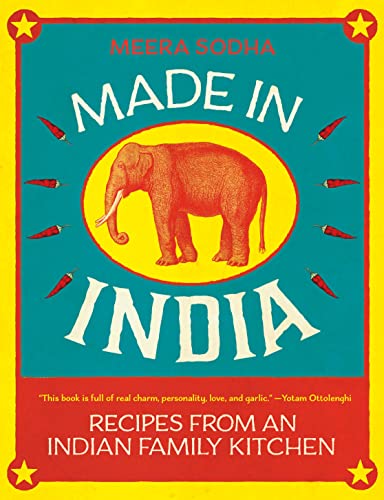 |
Made in India: Meera Sodha | Great for busy weeknights | Approachable spice combinations | Very clear directions | View on Amazon | Read Review |
| Global Flavor Exploration |  |
Indian Cookbook: Street Food Guide | Incredible regional variety | Energetic and fun tone | Authentic street food focus | View on Amazon | Read Review |
| Smart Modern Techniques |  |
Indian Flavor Every Day | Time-saving techniques | Innovative flavor combinations | Perfect for modern lives | View on Amazon | Read Review |
| Hearty Comfort Cooking |  |
Zareen’s Pakistani Kitchen | Deeply personal stories | Authentic regional comfort | Flavorful and filling | View on Amazon | Read Review |
| Takeaway Style Favorites |  |
The Curry Guy Bible | Huge recipe variety | Perfect for cravings | Authentic restaurant results | View on Amazon | Read Review |
| Vibrant Snack Specialist |  |
Chaat: Indian Market Recipes | Focus on vibrant snacks | Excellent texture variety | Very unique flavor profiles | View on Amazon | Read Review |
More Details on Our Top Picks
-
Vegetarian India: Meera Sodha
If you want to move beyond basic lentils, this book is your ideal companion. Meera Sodha travels across the country to capture how regional home cooks treat vegetables with respect and creativity.
The instructions are clear enough for a weeknight dinner, yet they feel special enough to host a full dinner party. You might find some of the more niche regional ingredients require a trip to a specialty market.
- Primary Cuisine:Indian
- Target Audience:Vegetarian home cooks
- Skill Level:Beginner to intermediate
- Additional Feature:Regional storytelling
- Additional Feature:Seasonal vegetable ideas
- Additional Feature:Vibrant photography
-
Dishoom: Iconic Restaurant Recipes
This book captures the nostalgic atmosphere of the legendary Bombay-style cafes in London. It is perfect for anyone who wants to recreate the signature black daal that people line up for hours to eat.
The recipes are quite involved, so this is not a quick-fix cookbook. Expect to spend a fair amount of time prepping if you want the true restaurant result.
- Primary Cuisine:Parsi and Indian
- Target Audience:Restaurant food enthusiasts
- Skill Level:Advanced
- Additional Feature:Detailed history sections
- Additional Feature:Stunning visual design
- Additional Feature:Signature cocktail recipes
-
Indian Cookery Course: Monisha Bharadwaj
Consider this your encyclopedia for Indian flavors. It breaks down the science of spices and techniques so you actually understand why certain steps matter rather than just following orders.
It serves as a solid foundation for anyone building their pantry from scratch. The sheer volume of information can feel slightly overwhelming if you are just looking for a simple dinner.
- Primary Cuisine:Indian
- Target Audience:Aspiring home chefs
- Skill Level:All levels
- Special Focus:Technique and spice
- Additional Feature:Step-by-step masterclasses
- Additional Feature:Ingredient breakdown
- Additional Feature:Traditional method focus
-
An Invitation to Indian Cooking
Madhur Jaffrey is a legend in the kitchen for a reason. This book remains the gold standard because it teaches you to cook with instinct and intuition rather than just measuring spoons.
It is less about flashy photos and more about time-tested integrity. Do not expect modern shortcuts or quick-prep hacks here, as this is traditional cooking at its finest.
- Primary Cuisine:Indian
- Target Audience:Traditional cooking enthusiasts
- Skill Level:Intermediate
- Additional Feature:Historical context
- Additional Feature:Flavor profile guidance
- Additional Feature:Legacy recipes
-
Made in India: Meera Sodha
These recipes feel like they come straight from a warm family kitchen. It focuses on straightforward meals that do not require an industrial kitchen or hours of active labor.
If you are intimidated by complex spice blends, this is the book to start with. It balances modern convenience with authentic, soul-satisfying results.
- Primary Cuisine:Indian
- Target Audience:Busy home cooks
- Skill Level:Beginner
- Additional Feature:Modern home kitchen focus
- Additional Feature:Helpful pantry tips
- Additional Feature:Clear ingredient lists
-
Indian Cookbook: Street Food Guide
This collection highlights the energetic spirit of the streets, villages, and palaces. It is perfect if you want to diversify your menu with bold regional snacks and hearty mains.
The variety is impressive, but you will need to keep a well-stocked spice cabinet to make the most of the diverse ingredient lists. It is a fantastic choice for those who love travel-inspired food.
- Primary Cuisine:Indian
- Target Audience:Curious food explorers
- Skill Level:Intermediate
- Additional Feature:Street food recipes
- Additional Feature:Palace-inspired dishes
- Additional Feature:Regional variety
-
Indian Flavor Every Day
Maya Kaimal focuses on smart shortcuts that keep the flavor profile high while lowering the effort. It is like having a helpful coach who knows how to make authentic food fit into a tight schedule.
The techniques are refreshingly modern and clever. Some traditionalists might miss the slow-simmered authenticity of older texts, but the convenience is hard to beat.
- Primary Cuisine:Indian
- Target Audience:Efficiency-focused cooks
- Skill Level:Beginner
- Additional Feature:Smart technique tips
- Additional Feature:Quick-cook methods
- Additional Feature:Modernized classics
-
Zareen’s Pakistani Kitchen
This book brings a unique, personal perspective to the table. It highlights the rich, comforting dishes of a well-fed childhood with hearty portions and deep, savory spices.
It is a wonderful choice if you want to explore the delicious nuances of Pakistani cooking alongside Indian favorites. You might find some recipes are quite rich, so be prepared for indulgence.
- Primary Cuisine:Pakistani and Indian
- Target Audience:Home cooks seeking comfort
- Skill Level:Intermediate
- Additional Feature:Childhood-inspired recipes
- Additional Feature:Rich traditional flavors
- Additional Feature:Cultural insights
-
The Curry Guy Bible
If your goal is to replicate the satisfying curry shop experience, look no further. This is a massive collection of over 200 recipes designed specifically for the home kitchen recreation.
The methodology is very precise to ensure you get that specific restaurant taste. It might feel a bit repetitive if you are looking for light, vegetable-focused home cooking instead of rich gravies.
- Primary Cuisine:Anglo-Indian
- Target Audience:Takeaway fans
- Recipe Count:Over 200
- Additional Feature:Restaurant style base gravies
- Additional Feature:Huge variety of curries
- Additional Feature:Side dish classics
-
Chaat: Indian Market Recipes
This book turns the spotlight on chaat, the crunchy, tangy, and spicy snacks that define Indian markets. It is an essential resource for anyone who loves bold textures and complex tastes.
The recipes are a creative adventure for your palate. Just be aware that some of the specific garnishes or components might require extra effort to source or prepare.
- Primary Cuisine:Indian
- Target Audience:Adventurous snackers
- Skill Level:Intermediate
- Additional Feature:Market-style recipes
- Additional Feature:Creative snack ideas
- Additional Feature:Colorful visual style
Frequently Asked Questions
Do I need a pressure cooker to make authentic Indian food?
Many traditional Indian recipes rely on a pressure cooker to soften pulses and meats in a short amount of time. You can certainly use a standard stockpot if you have extra time to simmer, but a pressure cooker is the most efficient tool for achieving that classic texture.
How long do fresh ground spices stay flavorful?
Ground spices lose their potency much faster than whole seeds. Try to use your ground spices within six months for the best flavor profile. If you want the most vibrant results, buy whole seeds and grind them yourself in small batches.
What are the must-have ingredients for a beginner?
You should start with the "holy trinity" of Indian cooking: turmeric, cumin, and coriander. Add some red chili powder, mustard seeds, and a high-quality garam masala to complete your starter kit. These six items serve as the foundation for almost every dish you will cook.
Is Indian cooking too difficult for a busy weeknight?
It does not have to be a marathon. Look for recipes that use pre-made ginger-garlic paste or focus on quick-cooking vegetables like spinach and cauliflower. You can easily produce a wholesome meal in thirty minutes if you choose the right recipe.
Why does the recipe call for tempering or tadka?
Tempering is the process of heating whole spices in hot oil or ghee to release their essential oils. This step is like waking up the spices, as it adds a deep layer of flavor that you just cannot get by adding them raw. It is the secret to making a dish taste truly professional.