


The difference between a lackluster home recording and a professional sound is often just the microphone placement and the specific design of the capsule. Acoustic instruments are notoriously sensitive to the room around them, so choosing a tool that captures the natural resonance of your wood and strings is vital.
Finding the Best Microphones for Recording Acoustic Guitar requires matching the hardware to your specific recording environment. Some models emphasize a transparent, sparkling high end, while others provide a focused, midrange warmth that sits well in a dense mix. Let’s look at the primary contenders to help you decide.
Key Takeaways
- Small diaphragm condensers provide the most accurate, crisp capture of high frequency string transients.
- Large diaphragm condensers add a subtle richness and perceived depth to the body of the guitar.
- Dynamic microphones offer durability and excellent rejection of background noise for untreated home spaces.
- Cardioid pickup patterns are the most effective at isolating the instrument from annoying room reflections.
- Consider a stereo pair if you want to capture a wide, immersive soundstage for solo performances.
| Ultimate Acoustic Versatility |  |
LyxPro SDPC-2 Stereo Pencil Mics | Includes three interchangeable capsules | Stereo pair for width | Precise transient response | View on Amazon | Read Review |
| The Studio Workhorse |  |
Shure SM57 Dynamic Instrument Mic | Practically indestructible build | Excellent off-axis rejection | Tight, focused sound | View on Amazon | Read Review |
| Flat Front Design |  |
Sennheiser e 609 Silver Mic | Unique side-address profile | High sound pressure tolerance | Great isolation | View on Amazon | Read Review |
| Precise Detail Specialist |  |
AKG P170 Instrumental Condenser Mic | Excellent transient response | Slim, compact form factor | Attenuation pad included | View on Amazon | Read Review |
| Trusted Live Classic |  |
Shure SM58 Dynamic Vocal Mic | Extremely durable | Smooth frequency response | Built-in pop filter | View on Amazon | Read Review |
| Studio Sound Quality | 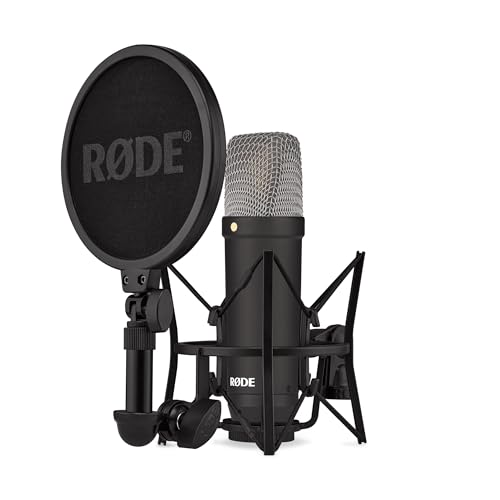 |
Rode NT1 Large Diaphragm Condenser | Extremely low self-noise | Warm, detailed character | Full accessory kit included | View on Amazon | Read Review |
| Simple Digital Entry |  |
Fifine K669B USB Condenser Mic | Direct USB connection | Adjustable volume control | Sturdy metal body | View on Amazon | Read Review |
| Stage Performance Freedom |  |
Audio-Technica PRO 35 Clip-on Mic | Consistent mic positioning | Compact and lightweight | Great isolation from stage noise | View on Amazon | Read Review |
| Home Studio Standard | 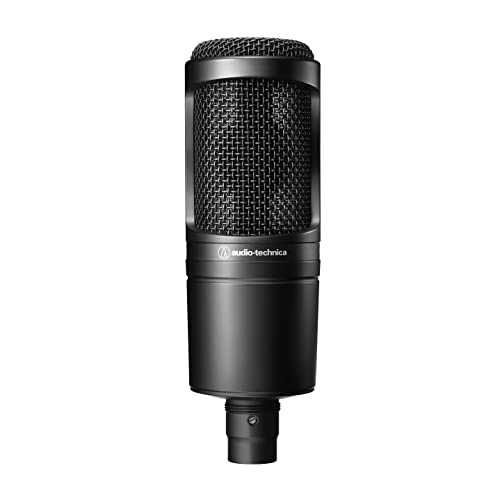 |
Audio-Technica AT2020 Studio Condenser Mic | Clear, neutral tone | High-level sound pressure handling | Reliable build quality | View on Amazon | Read Review |
| Presence Filter Flexibility |  |
Behringer B 906 Dynamic Mic | Three-way presence filter | Flat, versatile profile | Good feedback rejection | View on Amazon | Read Review |
More Details on Our Top Picks
-
LyxPro SDPC-2 Stereo Pencil Mics
If you want to capture the full spatial character of a guitar, a stereo pair is the golden standard. These small diaphragm condensers offer swappable capsules, which allow you to switch between omnidirectional, cardioid, and super-cardioid patterns depending on how much room tone you want to include in your track.
They are ideal for players who want a natural, balanced sound that mimics the human ear. Just keep in mind that since these require phantom power, you will need an audio interface that provides a steady 48 volts.
- Brand:LyxPro
- Microphone Type:Small Diaphragm Condenser
- Pickup Pattern:Omni, Cardioid, Super Cardioid
- Connection Type:XLR
- Included Accessories:Capsules, clips, wind screens
- Additional Feature:Switchable polar patterns
- Additional Feature:Metal chassis construction
- Additional Feature:Low noise floor circuitry
-
Shure SM57 Dynamic Instrument Mic
The SM57 is a legendary dynamic microphone that has appeared on more guitar recordings than perhaps any other piece of gear. Its rugged build means you can place it right up against the sound hole without worrying about the high volume levels causing distortion.
You will appreciate its focused midrange response, which helps your guitar cut through a busy mix without sounding thin. It is not the most sensitive mic for capturing delicate fingerpicking, but for a punchy, reliable sound, it remains a top pick.
- Brand:Shure
- Microphone Type:Dynamic
- Pickup Pattern:Cardioid
- Connection Type:XLR
- Additional Feature:Tailored frequency response
- Additional Feature:Pneumatic shock mount system
- Additional Feature:High output level
-
Sennheiser e 609 Silver Mic
This microphone features a unique side-address design, which is incredibly convenient when you are working in tight spaces or trying to position the mic perfectly against a guitar body. It is a super-cardioid dynamic mic, so it is quite good at ignoring unwanted background noise.
The e 609 is especially effective if you record your guitar while also playing in a room with other instruments. While it is often marketed for amplifiers, its crisp high-end capture makes it a solid choice for acoustic strings as well.
- Brand:Sennheiser
- Microphone Type:Dynamic
- Pickup Pattern:Super-cardioid
- Connection Type:XLR
- Additional Feature:Hum-compensating coil
- Additional Feature:Integrated stand mount
- Additional Feature:Lightweight neodymium magnet
-
AKG P170 Instrumental Condenser Mic
If you are looking to capture the shimmer of steel strings, this pencil-style condenser provides the clarity you need. It is designed specifically for instruments, meaning it handles fast transients with ease.
The P170 is a transparent mic, so it will not color your sound much. It is best used for accurate, clean recordings where you want the guitar to sound exactly as it does in the room. Just remember that its high sensitivity means it will pick up sounds from across the room if you are not careful.
- Brand:AKG
- Microphone Type:Condenser
- Diaphragm Size:0.5 inch
- Pickup Pattern:Cardioid
- Connection Type:XLR
- Additional Feature:Switchable -20dB pad
- Additional Feature:Rugged metal housing
- Additional Feature:High SPL handling
-
Shure SM58 Dynamic Vocal Mic
While famously a vocal mic, the SM58 is essentially the brother of the SM57, and it performs beautifully on acoustic guitar if you need a warmer, smoother tone. It naturally rolls off some of the harsh high frequencies, which can be a life-saver for guitars that sound a bit too bright or metallic.
It is a workhorse that survives everything, making it a great pick if your recording space is a bit chaotic or if you move your gear around frequently. It lacks the air and detail of a high-end condenser, but it is reliable and consistent.
- Brand:Shure
- Microphone Type:Dynamic
- Pickup Pattern:Cardioid
- Connection Type:XLR
- Additional Feature:Internal shock mount
- Additional Feature:Frequency response for vocals
- Additional Feature:Uniform polar pattern
-
Rode NT1 Large Diaphragm Condenser
Large diaphragm condensers like the NT1 are fantastic for capturing the full body and resonance of an acoustic guitar. This microphone is known for having a very low self-noise level, which is critical when recording quiet passages or intricate fingerstyle playing.
It produces a rich, polished sound that often requires very little processing in your recording software. Because it is a large diaphragm mic, it is more sensitive than a dynamic mic, so make sure your recording space is relatively quiet.
- Brand:Rode
- Microphone Type:Large Diaphragm Condenser
- Pickup Pattern:Cardioid
- Connection Type:XLR
- Included Accessories:Shock mount, pop filter, cable
- Additional Feature:Gold-plated output contacts
- Additional Feature:Internal capsule shock mounting
- Additional Feature:High-grade electronics
-
Fifine K669B USB Condenser Mic
If you want to plug straight into your computer without a separate interface, this USB microphone is a streamlined solution. It is perfect for beginners or songwriters who want to get an idea down quickly without setting up a complex recording chain.
The built-in volume knob allows you to make quick level adjustments right on the mic body. While it won't replace a professional XLR setup, it offers surprisingly good clarity for its price, provided you keep the gain settings moderate to avoid unwanted noise.
- Brand:Fifine
- Microphone Type:Condenser
- Pickup Pattern:Cardioid
- Connection Type:USB
- Additional Feature:Plug and play functionality
- Additional Feature:Integrated stand
- Additional Feature:Wide frequency response
-
Audio-Technica PRO 35 Clip-on Mic
This is a clip-on condenser mic that attaches directly to your guitar, providing consistent placement every single time you play. It is an excellent choice for live performers who move around and need the microphone to stay in the exact same spot relative to the sound source.
The sound is detailed and crisp, offering a professional tone that avoids the common feedback issues found with standard stand-mounted mics. It is a bit more specialized in its mounting, so it requires a steady hand to attach without scratching your finish.
- Brand:Audio-Technica
- Microphone Type:Condenser
- Pickup Pattern:Cardioid
- Connection Type:XLR
- Additional Feature:Flexible gooseneck arm
- Additional Feature:Includes power module
- Additional Feature:High SPL handling
-
Audio-Technica AT2020 Studio Condenser Mic
The AT2020 is a staple for home studios because it offers a professional, reliable sound that works well on almost anything. It has a high-output design that makes it easy to get a clean signal into your computer.
For acoustic guitar, it provides a balanced frequency response that captures both the low-end thump and the high-end sparkle of the strings. It is a side-address mic, so ensure you are speaking or playing into the front side of the capsule for the best results.
- Brand:Audio-Technica
- Microphone Type:Condenser
- Diaphragm Size:16 mm
- Pickup Pattern:Cardioid
- Connection Type:XLR
- Additional Feature:Custom-engineered low-mass diaphragm
- Additional Feature:Wide dynamic range
- Additional Feature:Protective pouch included
-
Behringer B 906 Dynamic Mic
This dynamic microphone is a clever choice because it features a switchable presence filter, allowing you to choose between three different frequency profiles. You can boost the high end for more detail or keep it flat for a smoother sound, which is incredibly useful for tailoring the mic to different guitar types.
Its flat shape makes it easy to place near your guitar's sound hole, and the super-cardioid pattern is excellent at ignoring sound from the sides. It is a versatile tool that adapts to your needs rather than forcing you to settle for one fixed sound.
- Brand:Behringer
- Microphone Type:Dynamic
- Pickup Pattern:Super-cardioid
- Connection Type:XLR
- Additional Feature:Integrated stand mount
- Additional Feature:Durable die-cast body
- Additional Feature:High signal output
Frequently Asked Questions
Do I really need two microphones to record an acoustic guitar?
You do not strictly need two, but it helps. Using a stereo pair allows you to capture the depth and width of the instrument. A single mic is often plenty for a simple folk track, but two mics provide a much larger, more immersive sound.
Is it better to point the mic at the sound hole or the neck?
Avoid pointing the mic directly at the sound hole, as this often results in a boomy, muddy sound. Aim your mic toward the 12th fret instead. This area produces a balanced tone that captures both the sparkle of the strings and the warmth of the wood body.
Do I need phantom power for these microphones?
Most small diaphragm condensers require 48V phantom power to function. Check that your audio interface has a button labeled +48V or phantom power. If you use a dynamic microphone, you can ignore this requirement entirely.
What is the best distance for the microphone from the guitar?
Start with the microphone about 6 to 12 inches away from the guitar. This distance is the sweet spot for balancing the direct sound of the strings with the natural resonance of the room. If the sound is too thin, move the mic a few inches closer to the body.
Should I use a pop filter when recording acoustic guitar?
A pop filter is usually unnecessary for guitar, as you aren't dealing with plosive air bursts like you would with vocals. However, you should definitely use a windscreen if you are playing in a drafty room. It helps minimize unwanted airflow noise without affecting your tone.